

Inspired Living
Crafting Exceptional Spaces with Nuovo Bathrooms
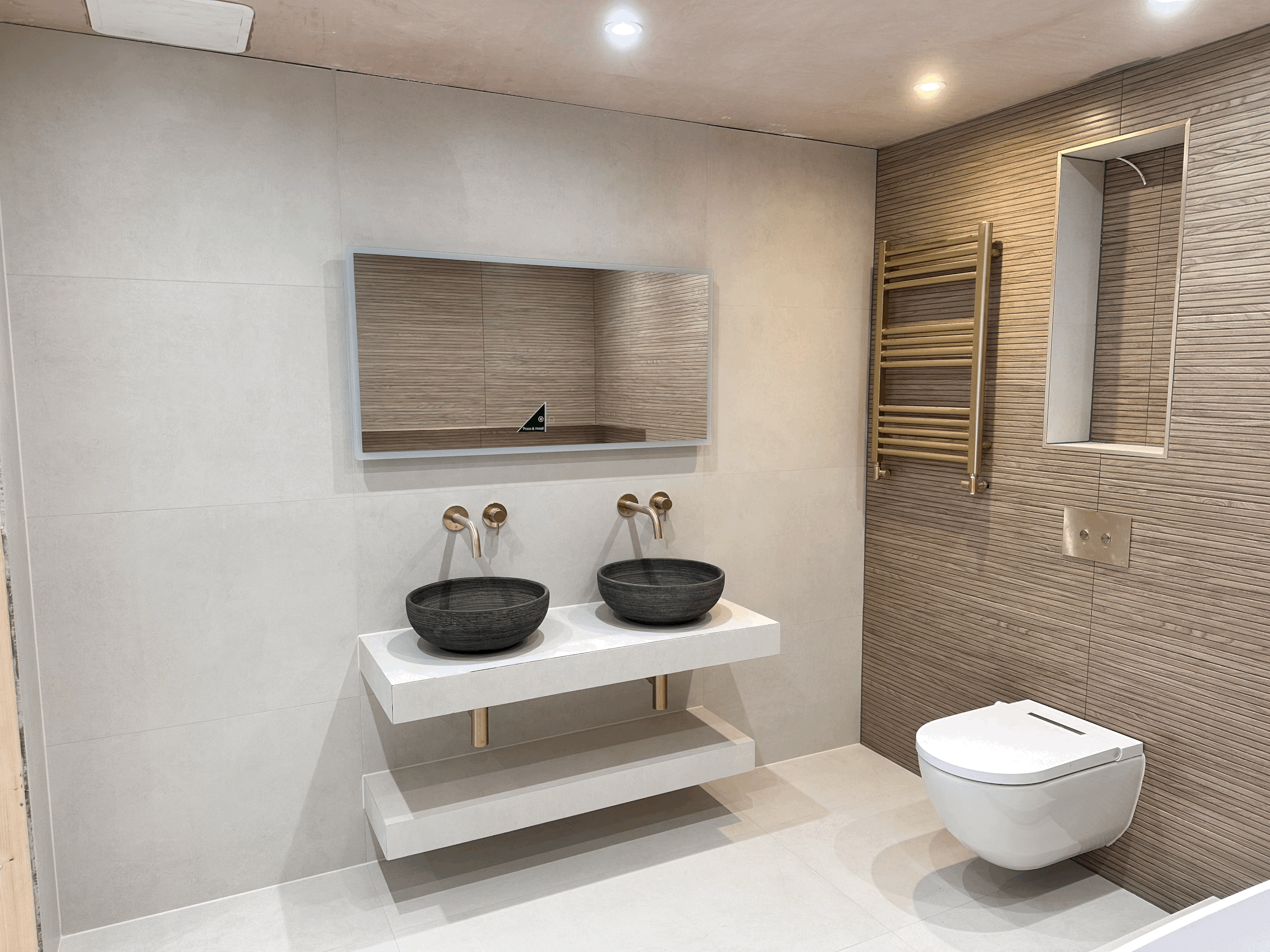
Wet Room or Walk-In Shower: Which Suits Your Solihull or Birmingham Bathroom
Wet rooms and walk-in showers are often discussed as though they are the same thing, and the terms do get used loosely in the industry. They are not the same, and the difference between them affects cost, the amount of space required, and how the finished room performs day to day. Understanding the distinction makes it considerably easier to choose the right option for a particular bathroom.

What Separates the Two
A walk-in shower has a defined shower area, usually marked by a glass panel or screen and a shallow tray or upstand, even though there is no door to open or close. Water is largely contained within that area by the screen and the fall of the tray. A wet room removes the tray altogether. The entire floor is tanked and tiled at a very slight fall toward a linear or point drain, so the whole room, not just a defined shower zone, is designed to get wet and drain away cleanly.
Waterproofing Requirements
This is where the two approaches diverge most significantly. A walk-in shower needs the shower area itself tanked to a high standard, but the rest of the room can be finished more conventionally. A wet room requires the entire floor and lower walls tanked, because the whole surface is exposed to standing water rather than just a contained zone. This additional tanking is the main reason a wet room typically costs more to install than a walk-in shower of a similar size, and why the quality of that tanking work matters enormously to the long-term performance of the room.
Space and Layout
Walk-in showers work well in a wide range of bathroom sizes, including smaller ensuites, because the screen defines a compact, contained area without requiring the whole room to be reconfigured. Wet rooms generally need more floor space to work well, both to accommodate the fall toward the drain and to avoid water reaching areas of the room, such as a vanity or toilet, that are better kept dry. A generously sized family bathroom or a converted room with few structural constraints tends to suit a wet room far better than a compact space.
Accessibility
Wet rooms have a genuine practical advantage where accessibility is a consideration. The absence of a shower tray or step removes one of the most common trip hazards in a bathroom, and a level, continuous floor is considerably easier to navigate for anyone using a wheelchair, a wetroom seat, or simply someone who prefers not to step over anything. This is part of why wet rooms feature so often in accessible bathroom installations, though the two are not exclusively linked. A well-designed walk-in shower with a low-profile tray can also work well for many accessibility needs, and the right choice depends on the individual and the property.
Property Type
Period properties in areas such as Moseley or the Victorian housing stock of south Birmingham can present more of a challenge for a full wet room, particularly where floor joists and structural depth limit how the fall and drainage can be built in. A walk-in shower is often the more practical choice in these properties, while newer builds and more substantial executive homes, common across Knowle and Dorridge, tend to offer more flexibility for either approach.
Making the Decision
Neither option is objectively better. A walk-in shower suits a smaller room, a tighter budget, or a property where structural change is best kept to a minimum. A wet room suits a larger space, a longer-term view of accessibility, and a preference for the most seamless, minimal aesthetic available. The right answer depends on the room itself, and it is a conversation worth having properly before any work begins.

White Edge Mitre Tiling Explained: The Finishing Detail That Sets a Bathroom Apart
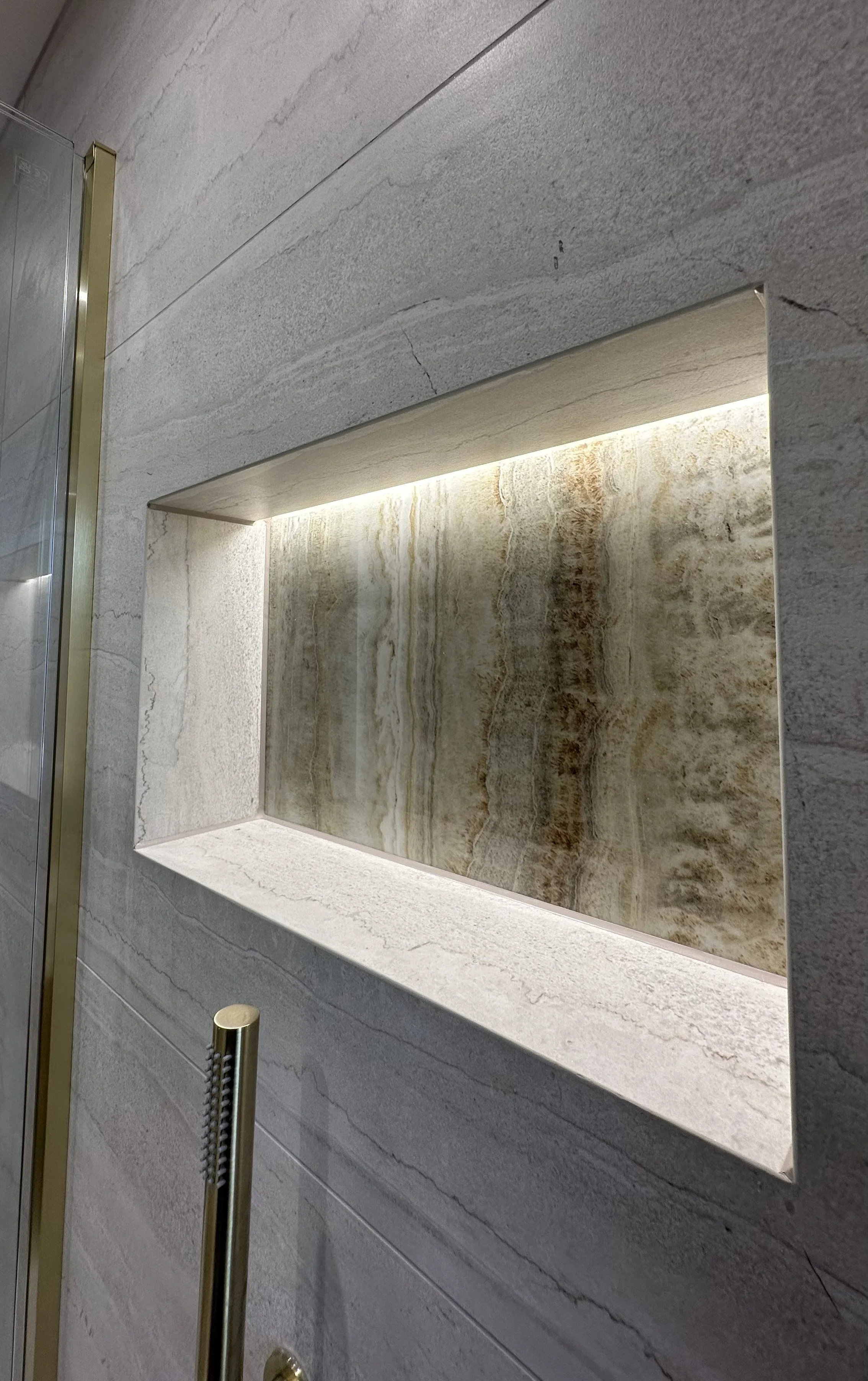
Most people notice a beautifully tiled bathroom without being able to say exactly why it looks so good. Often the answer is in the corners. Where two tiled surfaces meet at a right angle, most installers finish the join with a plastic or metal trim strip, a small component that does its job but interrupts the surface with a visible line. White edge mitre tiling removes that interruption entirely.

What Mitre Cutting Actually Involves
A mitre cut angles the edge of each tile at forty-five degrees, so that two tiles meet at an external corner and form a continuous, seamless right angle with no trim strip in between. The technique is borrowed from carpentry and stonework, where mitred joints have long been the mark of a finish taken seriously. Applied to tile, it requires a wet saw capable of an exact, consistent angle, a steady hand, and a level of patience that a standard trim-and-tile approach simply does not demand.
Why It Is Called White Edge Mitre
The cut itself exposes the tile's body, which on a porcelain or ceramic tile is typically white or off-white beneath the glazed surface. Left unfinished, that exposed edge can look chalky and unrefined against a coloured or patterned tile face. White edge mitre finishing treats and polishes that exposed edge so it reads as a clean, deliberate line rather than a rough cut, and sits flush against its neighbouring tile with barely a visible seam.
Where the Difference Shows Most
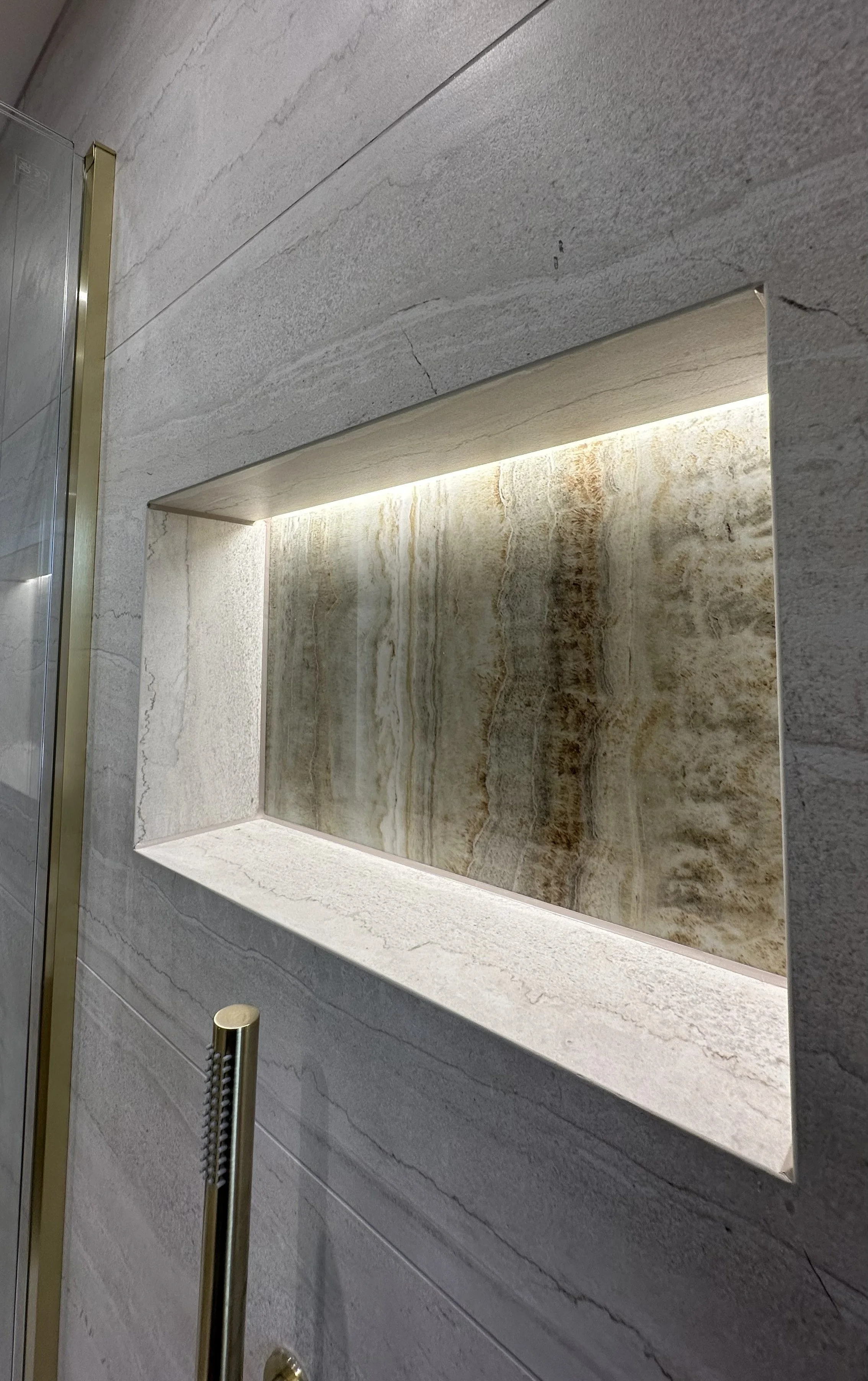
The technique matters most wherever a tiled surface changes direction, which in a bathroom is almost everywhere. Wet room niches, the external corners of a tiled shower enclosure, upstands around a freestanding bath, and window reveals are the areas where a trim strip is most visually intrusive, and correspondingly where a mitred finish has the greatest impact. In a large format tile scheme, where each tile already spans a significant area, an unbroken mitred corner reinforces the sense of a continuous, uninterrupted surface rather than a room built from visible components.
Why Most Installers Do Not Offer It
Mitre cutting takes considerably longer than fitting a trim strip, tile by tile, corner by corner. It also carries a higher risk of a wasted tile if the cut is misjudged, particularly on natural stone or large format porcelain, where offcuts are expensive. For an installer working to a tight schedule across multiple sites, trim strip is faster, cheaper, and more forgiving. We build the additional time for mitre cutting into our schedule as standard on the finishes where it applies, because the difference it makes to the finished room is, in our view, worth the investment.
What to Ask If This Matters to You
If a seamless finish is a priority for your renovation, ask prospective installers directly whether they offer mitre cutting as standard or as an optional upgrade, and ask to see close-up photographs of finished corners in their previous work rather than wide shots of the whole room. The corners are where the standard of an installation is easiest to judge and hardest to disguise. We have used white edge mitre finishing across projects in Edgbaston, Harborne, Moseley, and throughout our working area, and it remains one of the details clients notice and mention most often once the room is finished.
How to Choose a Bathroom Installer in Solihull and Birmingham
There is a wide gap between the cheapest quote and the best outcome, and nowhere is that gap more visible than in a bathroom renovation. A bathroom is used daily, sits on top of a house's plumbing and electrics, and is expensive to redo if it goes wrong. Choosing the right installer in Solihull, Birmingham, or the surrounding West Midlands matters more than almost any other decision in the project.
Homeowners rarely renovate a bathroom more than once every ten or fifteen years, which means most people are making this decision with very little direct experience to draw on. Here is what we believe is worth asking before committing to any installer.
Who Is Actually Doing the Work
A large number of bathroom companies operate as a sales office that subcontracts the physical work out to whichever tradespeople are available that week. The result is a different team on site for tiling, plumbing, and electrics, often with no single person accountable for how it all fits together. We do not subcontract. The same team that starts a project finishes it, from first fix through to final snagging. The only exceptions are Gas Safe registered engineers for gas work, and NICEIC approved electricians for certification, brought in specifically because that work legally requires independent, qualified certification. We are transparent about this rather than implying these skills sit in-house, and it is worth asking any installer directly whether their gas and electrical work is certified by an independent registered engineer.
What Warranty Is Actually Offered
A warranty is only meaningful if it covers workmanship rather than just materials, which are usually covered by the manufacturer regardless of who installs them. We provide a five-year warranty on our workmanship specifically, which means the installation itself, not just the products fitted within it. Ask any installer what their warranty actually covers and for how long, and get it in writing before you sign anything.
How the Pricing Is Structured
Vague quotes are among the most common sources of disputes in bathroom renovations. Our installations start from £6,300 in labour, and we also offer labour-only for homeowners who have already sourced their own products. Whichever route you take, a proper quote should separate labour, materials, and any provisional sums clearly enough that you know exactly what you are paying for and why.
What Brands and Materials Are Specified
The difference between a bathroom that looks good for two years and one that looks good for twenty often comes down to what is behind the tiles as much as what brands are on the tap. We work with brands including Duravit, Villeroy and Boch, Gessi, Merlyn, Hansgrohe, and Porcelanosa, chosen for durability as much as appearance. Ask to see the specification in writing, not just a mood board.
The Quality of the Finish
Tiling quality is one of the clearest indicators of an installer's overall standard, because it is difficult to disguise poor workmanship in a tiled surface. We specialise in white edge mitre finishing, a precision technique that removes the need for plastic trim at external tile corners and produces a seamless, jewellery-like edge. It takes considerably longer to execute than a trimmed edge, and most installers do not offer it because of the skill and time it demands. Looking closely at tile corners in a company's portfolio, in Knowle, Sutton Coldfield, or anywhere else, tells you a great deal about the standard you can expect.
What Past Clients Actually Say
Reviews matter less for their star rating than for what they describe. Look for detail: whether the team turned up when promised, whether the final result matched what was agreed, and whether the price stayed close to the original quote. A small number of detailed, specific reviews is worth more than a large number of generic ones.
Bringing It Together
None of these factors on their own guarantees a good result, but together they separate a company that sees a bathroom as a sales opportunity from one that treats it as a piece of work they will stand behind for years afterwards. We would encourage anyone planning a renovation in Solihull, Birmingham, or the wider West Midlands to ask these questions of any installer they are considering, including us.
The Bathroom Trends Defining Solihull and Birmingham Homes in 2026
There is a particular kind of bathroom that is appearing with increasing frequency in the homes of Solihull, Edgbaston, Harborne, Knowle, and the wider Birmingham area. It is considered rather than assembled. It has a point of view. The products have been chosen with real care, the installation is precise, and the overall effect is something that feels genuinely luxurious rather than expensively functional.
This is not a coincidence. The homeowners commissioning bathroom renovations across this part of the West Midlands in 2026 are better informed, more decisive, and more willing to invest properly in the result than at any point we have seen in over twenty years of working in this area. What they are choosing — and why — tells us a great deal about where bathroom design is right now.
Here is what we are seeing on the ground.
Brushed Brass Is the Dominant Finish
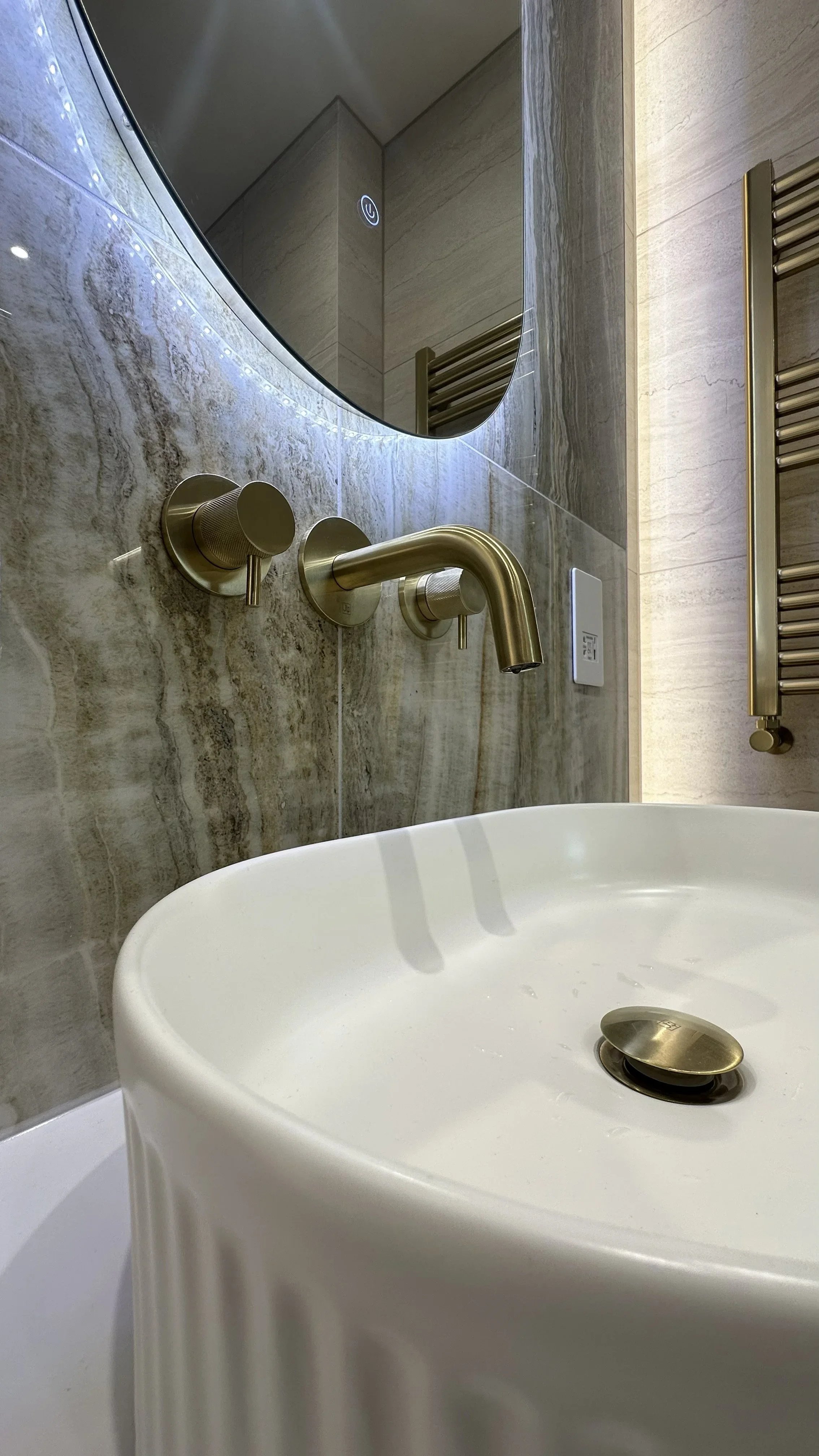
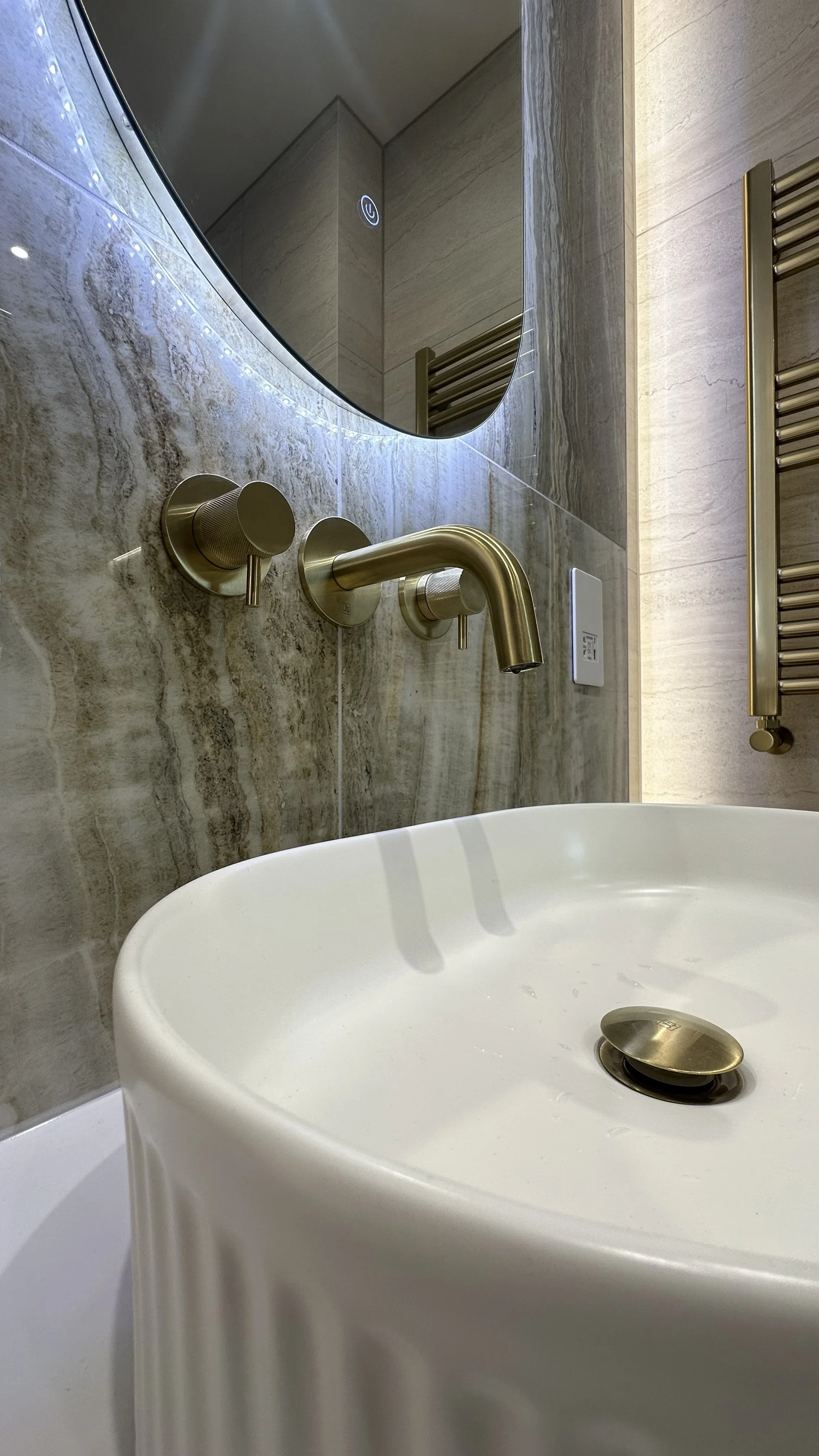
If there is a single finish that defines the premium bathroom market in Solihull and Birmingham right now, it is brushed brass. Not the bright, high-shine brass of a previous era — but a warmer, more considered brushed or antique brass that sits beautifully against both dark and light backgrounds.
Brushed brass taps, shower systems, towel rails, mirror frames, and cabinet handles are appearing across the full spectrum of bathroom types — from contemporary wet rooms to restored Victorian bathrooms — and doing so convincingly in all of them. The warmth it brings to a room is simply unmatched by the cooler tones of chrome or brushed nickel, and homeowners across Edgbaston, Harborne, and Knowle are choosing it with increasing confidence.
Large Format Tiles Are Now the Default
The shift toward large format tiles has been building for several years, but in 2026 it has become the default choice for premium bathroom renovations across our working area rather than an aspirational option. Tiles of 120cm by 60cm and larger are now specified routinely — on walls, on floors, and increasingly across both surfaces in a continuous run that removes the grout line entirely from the visual landscape of the room.
The effect on the perceived size of a bathroom is remarkable. A room tiled in large format with minimal grout reads as significantly larger than its actual dimensions. In the generous Victorian and Edwardian bathrooms of Edgbaston and Harborne, or the substantial master bathrooms of Knowle and Solihull's executive homes, the result is genuinely breathtaking.
Marble effect porcelain — which delivers the visual quality of natural stone without the maintenance demands — is the most popular choice within the large format category, followed by concrete effect and stone effect finishes.
Fluted Details Are Everywhere
Fluted cabinetry, fluted bath panels, fluted wall tiles, fluted vessel basins. The vertical reeding that defines the fluted aesthetic has become one of the most recognisable signatures of the contemporary premium bathroom — and for good reason. It adds texture, depth, and a sense of craftsmanship that flat surfaces simply cannot replicate.
In practical terms, a fluted floating vanity unit transforms the character of a bathroom in a way that no other single piece of furniture can match. We are specifying and installing them regularly across Solihull, Birmingham, and the surrounding areas and the response from homeowners is consistently the same — it is the element of the bathroom they show people first.
The Wet Room Continues to Grow
Wet room installation has been growing consistently across our working area for several years and shows no sign of slowing. The combination of a genuinely spacious, zero-threshold shower experience with the visual simplicity of a fully tiled, enclosure-free design appeals directly to the aesthetic priorities of the homeowners we work with.
What has changed in 2026 is the specification within the wet room itself. Ceiling-mounted rainfall heads are now standard rather than premium. Concealed thermostatic valves are the expectation rather than the exception. And the niche — a recessed, illuminated shelf cut directly into the wall — has become an almost universal request, functioning simultaneously as practical storage and a genuine piece of interior design.
Statement Lighting Is Being Taken Seriously
Bathrooms are finally being lit properly. After decades in which bathroom lighting was an afterthought — a single ceiling fitting and perhaps a light above the mirror — homeowners across Solihull and Birmingham are now approaching bathroom lighting with the same seriousness they bring to the rest of their homes.
LED backlit mirrors are now standard in the bathrooms we install. Recessed downlighters are positioned with care rather than dropped in wherever the ceiling joists allow. Pendant lights are appearing in larger bathroom spaces. And LED strip lighting — used to illuminate the reveal of a feature wall, the underside of a floating vanity, or the perimeter of a ceiling — is being specified regularly in the premium installations we carry out across Edgbaston, Harborne, and the wider Birmingham area.
The effect of good lighting on a bathroom cannot be overstated. It changes the entire character of the room, makes it feel more generous, and creates the kind of atmosphere that turns a daily routine into something considerably more pleasant.
The Freestanding Bath Remains the Centrepiece
The freestanding bath has not peaked. If anything, the market for freestanding bath installation across Solihull and Birmingham is stronger in 2026 than it has ever been — driven partly by the growing size of the bathrooms being renovated as homeowners invest in larger, more ambitious projects, and partly by the widening range of bath designs available at every price point.
The slipper bath on claw feet remains the most requested design in period properties across Moseley and the Victorian housing stock of south Birmingham. In the more contemporary homes of Dickens Heath and the executive developments of Sutton Coldfield, a lower, more architectural freestanding shape is more typically chosen — but the desire to have a freestanding bath as the focal point of the room is consistent across both markets.
What This Means for Your Bathroom Renovation
The common thread running through every trend we are seeing in 2026 is intentionality. The homeowners making the most impressive renovation decisions are not following a mood board or replicating something they have seen online. They are making considered choices — about finish, about scale, about lighting, about the feeling they want the room to create — and they are backing those choices with proper investment.
A bathroom renovation carried out properly, by a team that understands both the technical requirements and the aesthetic possibilities, is one of the most impactful investments a homeowner can make. The bathrooms we are most proud of in our portfolio are not necessarily the largest or the most expensive. They are the ones where every decision was deliberate and every detail was executed well.
If you are considering a bathroom renovation in Solihull, Birmingham, or the surrounding area, we would be glad to hear from you.

Bathroom Renovations for 2025: Trends, Tips, and Expert Advice
Renovating your bathroom is one of the most impactful home improvement projects you can undertake. Whether you're looking for a complete bathroom makeover or minor upgrades, staying informed about the latest trends, technologies, and best practices is essential. As we move into 2025, homeowners increasingly seek modern, functional, and eco-friendly bathroom designs that enhance comfort and add value to their property.
This comprehensive guide will explore bathroom renovation trends, provide expert tips, and discuss key considerations for hiring professional bathroom fitters in Birmingham and beyond.

1. Key Trends in Bathroom Renovations for 2025
As bathroom designs evolve, homeowners focus on creating luxurious yet practical spaces. Some of the top trends for 2025 include:
1.1. Smart Bathroom Technology
Smart homes are becoming the norm, and bathrooms are no exception. Smart mirrors, touchless faucets, heated flooring, and voice-controlled lighting are entering modern bathrooms.
Key elements include:
Motion-sensor lighting and touchless taps for improved hygiene.
Smart toilets with self-cleaning functions and bidet options.
Digital shower controls that allow you to set water temperature and flow.
1.2. Eco-Friendly Upgrades
Sustainability is a driving force behind many bathroom renovations in 2025. Homeowners are increasingly interested in reducing water and energy consumption while maintaining style and comfort.
Eco-friendly options include:
Water-saving fixtures such as low-flow toilets and faucets.
Energy-efficient LED lighting solutions.
Sustainable materials like bamboo flooring and recycled glass countertops.
1.3. Minimalist and Spa-Like Aesthetics
Minimalist designs focusing on clean lines, neutral colour palettes, and clutter-free spaces are growing popular. At the same time, the desire for spa-like experiences has led to the incorporation of luxurious elements such as freestanding bathtubs and rainfall showers.
1.4. Bold Tiles and Textures
Patterned tiles, textured walls, and unique materials are making a strong comeback. Whether it's herringbone-patterned flooring or bold-coloured subway tiles, personalization is key.
2. Key Considerations for Your Bathroom Renovation
Planning a bathroom renovation requires attention to detail and careful budgeting. Before hiring bathroom fitters in Birmingham, consider the following factors:
2.1. Budget Planning
Determine how much you're willing to invest in your renovation. Factor in costs for materials, labour, fixtures, and unexpected expenses.
2.2. Layout and Space Optimization
Maximizing space is crucial, especially for small bathroom renovations. Consider smart storage solutions like wall-mounted vanities, recessed shelves, and multi-functional fixtures.
2.3. Material Selection
Choosing the right materials ensures durability and aesthetic appeal. Popular choices for 2025 include:
Porcelain and ceramic tiles for floors and walls.
Quartz and granite for countertops.
Matte black or brushed gold fixtures for a contemporary look.
2.4. Hiring a Professional vs. DIY
While DIY renovations may save money, hiring a professional bathroom installation service in Birmingham ensures quality workmanship and adherence to local building regulations.
3. How to Choose the Right Bathroom Fitters in Birmingham
Selecting the right professional for your project can make all the difference. Here's what to look for when hiring a bathroom fitter:
3.1. Experience and Expertise
Look for contractors with a proven track record in bathroom renovation Birmingham projects. Check their portfolio and customer reviews.
3.2. Licenses and Certifications
Ensure the bathroom fitter is licensed, insured, and complies with building codes and safety standards.
3.3. Written Estimates and Contracts
Always request detailed quotes outlining costs for labour, materials, and timelines. A written contract protects both parties.
3.4. Local Reputation
Working with a local professional ensures familiarity with suppliers and a quicker response in case of issues.
4. Common Mistakes to Avoid During a Bathroom Renovation
Avoiding common pitfalls can save time and money. Some of the most frequent mistakes include:
Poor planning and unrealistic budgets.
Ignoring ventilation leads to mould issues.
Choosing style over functionality.
Hiring unqualified contractors.
5. FAQ Section: Everything You Need to Know
Q1: How much does a bathroom renovation cost in Birmingham?
A: The cost varies depending on the size and complexity of the project. On average, expect to pay between £3,000 and £10,000 for a complete renovation.
Q2: How long does it take to renovate a bathroom?
A: A standard renovation takes 2-3 weeks, but custom projects may take longer.
Q3: What are the best materials for a bathroom renovation?
A: Porcelain tiles, quartz countertops, and water-resistant vinyl flooring are excellent choices.
Q4: Can I renovate my bathroom on a budget?
A: Yes! Opt for cost-effective alternatives such as prefabricated vanities, simple tiling, and DIY painting.
Q5: Do I need planning permission for a bathroom renovation?
A: Generally, no planning permission is needed unless you're making structural changes.
Q6: Should I replace my bathtub with a shower?
A: It depends on your needs. Showers are practical, while bathtubs add a touch of luxury.
Conclusion
A well-planned bathroom renovation can significantly enhance your home's comfort, style, and value. Whether you opt for a sleek, modern design or a timeless classic look, understanding the latest trends and working with professional bathroom fitters in Birmingham will ensure a successful transformation.
Start your bathroom renovation journey today and create a space that reflects your style and meets your practical needs.

Winter Bathroom Trends
Cosy and Stylish Ideas for a Warm Retreat
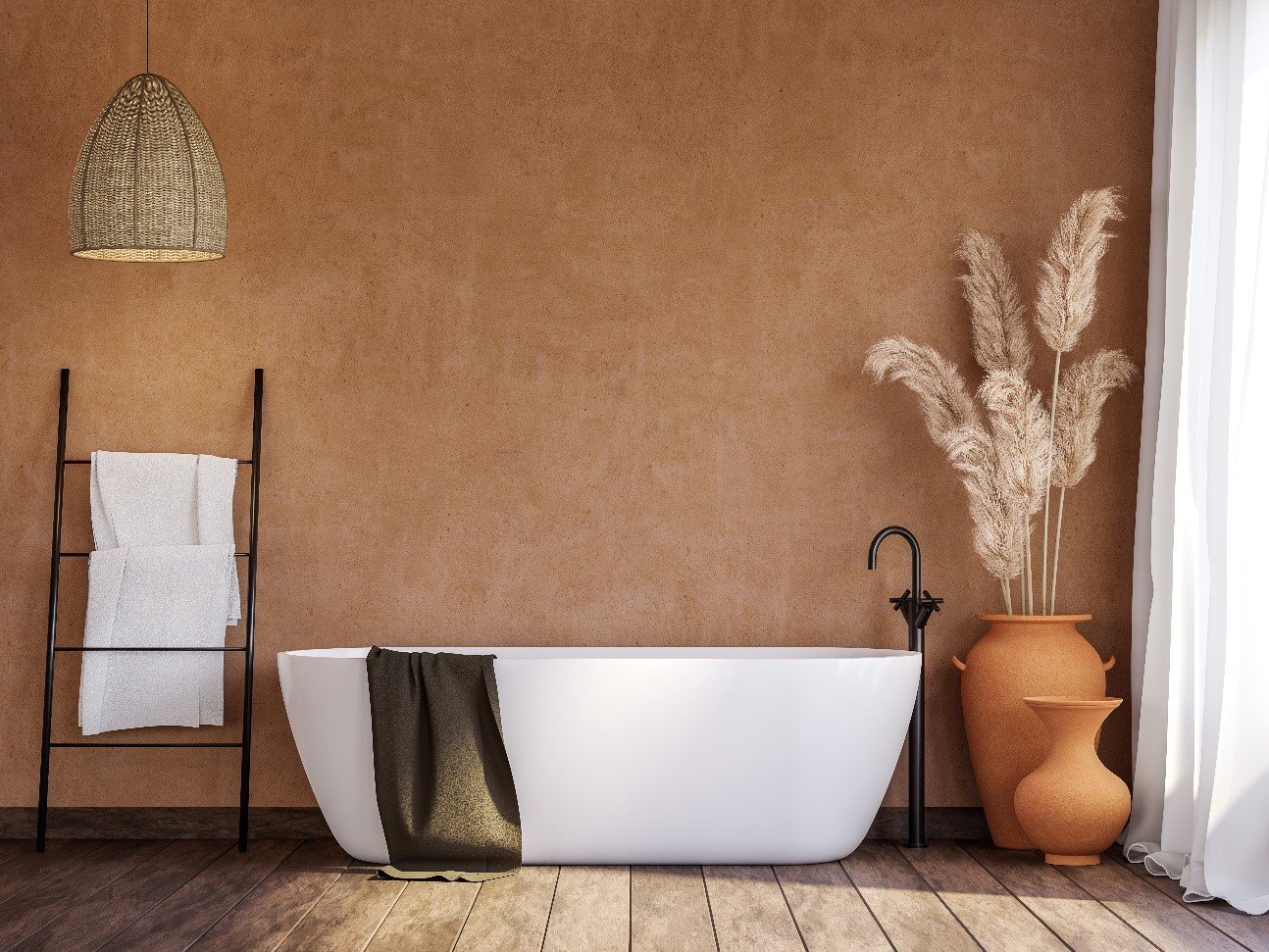
As the days grow shorter and temperatures drop, creating a warm, inviting bathroom can make winter more luxurious. This season, bathroom design focuses on cosy, nature-inspired aesthetics and technology that adds comfort and convenience. Here’s how to transform your bathroom into a serene winter retreat, with inspiration perfect for your Nuovo Bathroom renovation in Solihull and Birmingham.
1. Embrace Warm Neutrals and Earth Tones
For a cosy winter atmosphere, go for warm neutrals like taupe, warm grey, soft browns, and muted greens. These shades create a grounding, spa-like effect that’s incredibly soothing in winter. Pairing them with natural wood finishes or stone tiles helps create a warm, rustic feel. Top brands like Villeroy & Boch and Gessi offer bathroom furniture in these rich, natural tones that make any space feel instantly inviting.
Pro Tip: Consider adding terracotta or clay accents for a subtle contrast, which brings warmth and depth to a neutral palette.
2. Luxurious Heated Flooring for Cold Mornings
Underfloor heating is a must-have for winter 2025. Waking up to a warm bathroom floor is one of life’s small luxuries, and modern radiant heating technology makes it more energy-efficient than ever. For a seamless look, pair underfloor heating with large-format or wood-effect porcelain tiles, which evenly distribute warmth.
Benefits:
Energy-efficient warmth: Keeps the bathroom comfortable while reducing the need for central heating.
Design flexibility: Works well with both contemporary and classic designs.
3. Soft Lighting for a Cosy Ambience
Winter bathroom lighting trends focus on creating a soft, relaxing glow. Layered lighting can help you achieve this. Wall sconces, recessed lighting around mirrors, and dimmable overhead fixtures offer flexibility, allowing you to adjust the lighting to suit your mood.
Do: Invest in warm LED lighting with adjustable brightness to add a soft glow that’s kind to skin and atmosphere.
Don’t: Avoid overly bright, cool-toned lighting, which can make your bathroom feel stark and less inviting during winter.
4. Spa-Like Features: Programmable Showers and Deep Baths
A winter bathroom should be a place of relaxation; there’s nothing like a hot shower or deep soak to warm you up. Consider installing an intelligent thermostatic shower, such as those by Hansgrohe, which lets you pre-set water temperatures for an instantly comforting experience. Pair this with a deep, freestanding bath for a spa-like sanctuary.

Why Smart Showers?
Programmable comfort: Set the perfect temperature and enjoy a consistent, luxurious shower.
Energy saving: Reduces water waste by allowing you to control water flow and temperature.
5. Soft Textiles and Accessories
Soft, textured accessories play a huge role in creating a winter-ready bathroom. Opt for thick, plush towels, warm rugs, and fabric shower curtains in soft greys, creams, or natural shades. Adding wooden or wicker storage baskets will add to the warm, inviting feel and offer easy access to essentials.
Idea: Layer several rugs to create a warmer, more luxurious experience that feels like a spa. Try placing a small rug next to the bath or shower for extra cosiness.
6. Tile Trends for Winter: Stone, Slate, and Wood Effects
This winter, tiles in earthy, natural finishes are top of the list. Stone and slate-effect tiles in deep greys and blues evoke a connection with nature, while wood-effect porcelain tiles provide warmth and texture that mimic hardwood flooring.

Popular Choices for 2025:
Stone and Slate Effect: This is ideal for creating a sophisticated look that suits contemporary and rustic bathroom styles.
Wood-effect porcelain adds warmth without the maintenance of natural wood. It is available in various shades, from oak to walnut.
Top Tile Brands: Consider brands like Porcelanosa, Marazzi, Solus, and Crossville, known for their high-quality and beautifully crafted tiles.
Frequently Asked Questions (FAQs)
Is underfloor heating expensive to install?
While underfloor heating is an investment, it offers energy efficiency and consistent warmth, making it a popular choice in high-end bathroom renovations.What are the best colours for a winter bathroom?
Warm neutrals, earthy tones, and muted greens work beautifully in winter bathrooms, adding a sense of cosiness and warmth.Are freestanding baths practical for smaller bathrooms?
Freestanding baths work well in larger bathrooms. However, compact models can create a luxurious feel without taking up too much space.How do I make my bathroom feel cosy in winter?
Opt for warm lighting, soft textiles, and natural textures. Heated flooring and smart showers add practical warmth and comfort.Which lighting options work best for winter?
Layered lighting—dimmable LED lights combined with wall sconces and ambient lighting—creates a warm, cosy atmosphere ideal for winter.
With these winter bathroom trends for 2025, you can create a sanctuary that’s warm, welcoming, and tailored to the season. Whether you’re looking to add luxurious touches or a complete renovation, Nuovo Bathrooms is here to help you create a space that’s as functional as beautiful.

The Ultimate 2025 Guide to Bathrooms, En-suites, and Cloakrooms
Trends, Brands, and Expert Tips for Solihull & Birmingham
Welcome to 2025’s ultimate bathroom inspiration guide by Nuovo Bathrooms. With our insights into the latest trends and best brands, including options for thermostatic showers, wall-hung fixtures, and seamless designs, you can achieve a bathroom that balances style, comfort, and advanced technology. Perfect for main bathrooms, ensuites, or cloakrooms, our guide gives tips for colours, layouts, and premium finishes for homeowners in Birmingham and Solihull.
Bringing Nature Indoors with Elegant Earth Tones
This year, bathroom design is about tranquillity, with natural colours like terracotta, sage green, and muted blues transforming bathrooms into serene retreats. These colours not only promote relaxation but also lend a sophisticated backdrop for both contemporary and classic decor. Premium brands like Hansgrohe, Villeroy & Boch, Gessi, and Merlyn excel in creating bathroom fittings that align with these natural aesthetics, combining advanced technology with organic-inspired textures.
Must-Have Fixtures:
Smart Thermostatic Showers & Freestanding Baths
For a truly modern bathroom, consider upgrading to an intelligent thermostatic shower. These showers from brands like Hansgrohe allow you to pre-set water temperatures and flow preferences. Imagine stepping into a perfectly warm shower every morning without needing to adjust settings—these programmable showers offer convenience, control, and energy efficiency, making them ideal for any Birmingham or Solihull home.
Freestanding baths are another favourite in 2025, offering elegance and luxury. Sculptural tubs from Villeroy & Boch are statement pieces, available in various shapes and finishes to suit any design theme. Paired with a minimalist layout, a freestanding bath creates a sense of openness, ideal for larger bathrooms.
Wall-Hung Elegance: Taps, Vanities, and Toilets
Wall-hung fixtures are at the forefront of 2025’s bathroom design. These features make cleaning simpler and offer a sleek, floating aesthetic that enhances any modern bathroom layout:
Wall-Hung Basin Taps: These taps, which extend from the wall rather than the vanity, create a seamless look that pairs beautifully with minimalist or industrial-style sinks. Brands like Jesse offer designs that combine aesthetics with space-saving benefits.
Wall-Hung Vanities: Floating vanities keep the floor clear, making even compact bathrooms feel larger and airier. With options in various finishes, from wood to high-gloss, wall-hung vanities allow for concealed storage while maintaining an uncluttered look.
Wall-Hung Toilets: Increasingly popular, wall-hung toilets offer a streamlined appearance, making cleaning around the base easier. Many Birmingham clients opt for wall-hung toilets by Villeroy & Boch for a modern, space-saving solution.

Top Tile Trends for Solihull and Birmingham:
Colour, Type, and Size
Tiles set the tone for the whole bathroom. Here’s what’s trending for 2025:
Colour Choices: Earthy neutrals, greens, and soothing blues bring a natural elegance, while monochrome patterns and marble-look tiles add sophistication.
Types of Tiles:
• Porcelain: Durable and water-resistant, ideal for floors and wet zones.
• Glass and Patterned Accents: A single accent wall or backsplash adds vibrant contrast.
• Natural Stone and Textured Tiles: Textures like slate or limestone lend an organic touch that enhances a serene setting.
Sizes and Shapes: Large-format tiles create a continuous look that reduces grout lines and visually expands space. For smaller rooms, geometric shapes like hexagons add interest without crowding the design.

Do’s and Don’ts for Your 2025 Bathroom Renovation
Do’s:
Do consider premium brands like Hansgrohe and Merlyn for fixtures that blend technology and style.
Do opt for wall-hung units to enhance space and simplify cleaning.
Do choose large-format tiles to create an expansive, luxurious look.
Don’ts:
Don’t overdo patterns: A single feature wall or tile strip is plenty for adding interest.
Don’t neglect lighting: Ensure your bathroom has ambient and task lighting for a warm, functional space.
Don’t clutter your layout: Wall-hung vanities and toilets create a streamlined look that keeps the space open and organised.
Frequently Asked Questions (FAQs)
1. What are the trending bathroom colours for Solihull homes in 2025?
Earthy tones, warm neutrals, and muted greens and blues are trending and offer a serene spa-like feel.
2. Are wall-hung fixtures practical for small bathrooms?
Yes, wall-hung vanities and toilets free up floor space, making any bathroom feel larger and easier to clean.
3. What are the benefits of an intelligent thermostatic shower?
These showers allow you to pre-set temperatures, ensuring a consistent, comfortable experience every time and saving energy by optimising water use.
4. How do I create a spacious feel in a small cloakroom?
Use large-format tiles, wall-hung fixtures, and light colours to create an open, airy effect that maximises the sense of space.
5. Can I mix different tile textures and finishes?
Yes, combining finishes—such as matte with gloss or stone with ceramic—adds depth and interest without overwhelming the design.
2025 is a year of inspiration for Solihull and Birmingham homeowners. You can transform your bathroom into a modern, elegant retreat with the latest intelligent technology, top-tier brands, and timeless style by choosing Nuovo Bathrooms. Whether it’s a family bathroom, an ensuite, or a cloakroom, we’re here to help you design and install a beautiful, functional, and uniquely your space.